Professional sports organizations are accelerating a major strategic shift: owning and operating their own media networks instead of relying solely on traditional broadcasters. This change is being driven by revenue pressures, streaming disruption, and the need for direct fan relationships.
A major example is the launch of an in‑house television network by an MLB franchise to control distribution, storytelling, and engagement with fans. Teams increasingly view media ownership as a core business function rather than a partnership function.
What’s Driving the Shift
- Declining regional sports network economics
- Streaming fragmentation and cord‑cutting
- Ownership of first‑party fan data
- Greater monetization control (ads, subscriptions, commerce)
Financial instability among traditional sports broadcasters has forced teams to rethink their dependence on third‑party distribution models.
Business Model: From Broadcast Deals to Platform Ownership
Historically, teams relied on licensing rights. Now, organizations are moving toward:
- Direct‑to‑consumer streaming platforms
- In‑house production and storytelling
- Integrated merchandise and commerce layers
- Dynamic ad inventory control
This transition mirrors what happened in creator economy platforms and enterprise SaaS—control over distribution equals control over margins.
Developer Perspective: Building a Team‑Owned Media Stack
Technology teams are now building media systems internally. Typical architecture includes:
- Video streaming pipelines
- Subscriber identity systems
- Recommendation engines
- Ad‑tech integrations
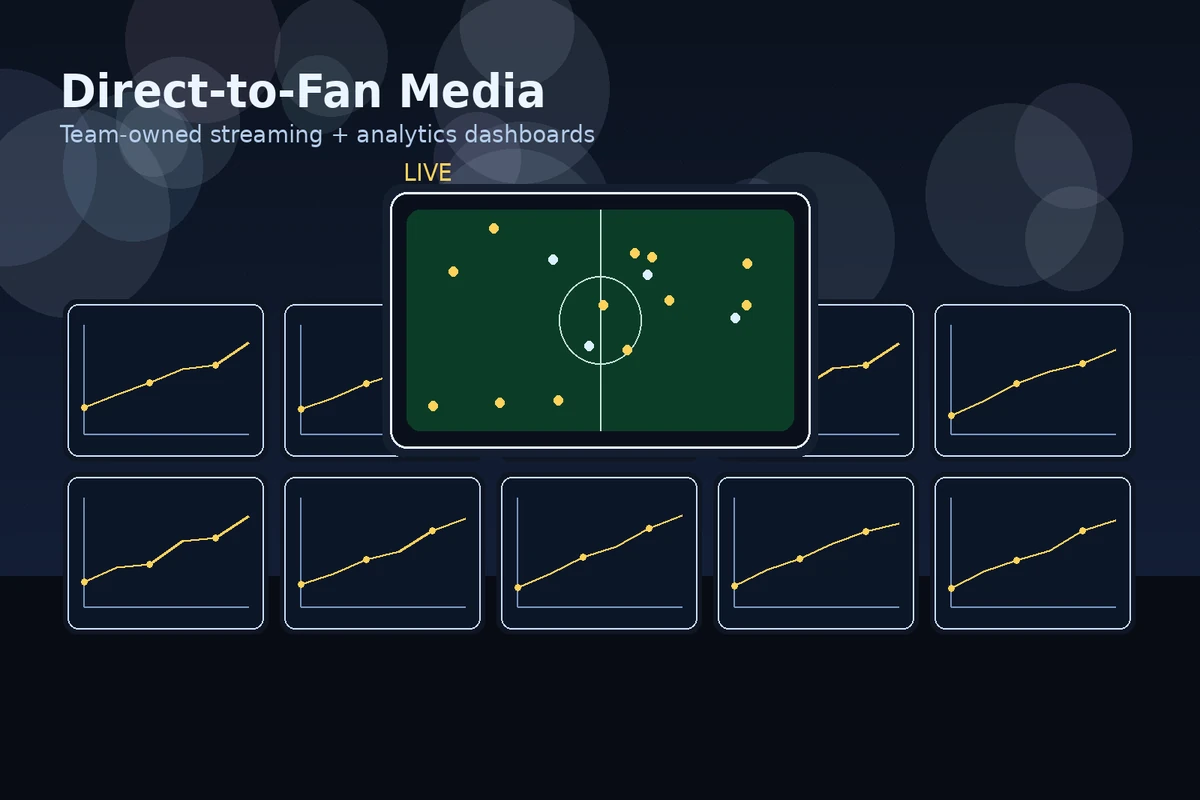
- Data warehouses for fan analytics
Teams need scalable cloud infrastructure and AI‑driven personalization to compete with major streaming platforms.
Monetization Opportunities
- Subscription revenue from fans
- Programmatic ad placements
- Branded content partnerships
- Shoppable livestream commerce
- Licensing original documentary content
Direct control over media also enables bundled offerings: memberships, fantasy experiences, and premium behind‑the‑scenes access.
Actionable Playbook for Sports Businesses
- Audit existing media rights and dependencies.
- Launch a pilot streaming channel with niche content.
- Invest in fan identity infrastructure.
- Use AI for personalized content feeds.
- Build a commerce layer tied to content.
Internal Linking Suggestions
- Link to your sports tech monetization articles.
- Link to streaming platform infrastructure breakdowns.
- Link to AI personalization in fan engagement.
Authoritative References
- Industry coverage of teams launching in‑house broadcast networks.
- Reports on declining regional sports network economics.
- Sports industry outlook highlighting media convergence.
The shift toward owned media is not temporary. It represents the next phase of sports commercialization—where teams operate like media startups.