
Digital-first soccer leagues are rapidly gaining investor attention, signaling a structural shift in the global sports industry. Emerging formats such as influencer-driven and short-format leagues are attracting venture capital, media partnerships, and sponsorship deals because they are optimized for streaming platforms and social media engagement.
Unlike traditional leagues that depend heavily on stadium revenue and broadcast contracts, digital-first leagues are designed for scalability. They focus on online distribution, interactive fan experiences, and gamified match formats that appeal strongly to younger audiences.
Business Owner Perspective: Revenue Innovation in Sports
For sports business owners and investors, this trend represents an opportunity to diversify revenue streams. Digital leagues offer:
- Lower operational costs compared to traditional leagues.
- Global streaming monetization through YouTube, Twitch, and OTT platforms.
- Brand sponsorship integration tailored to social-first audiences.
- Digital merchandise and subscription models that increase recurring revenue.
Investors are particularly attracted to these leagues because they blend sports entertainment with tech scalability—similar to startup growth models rather than legacy sports structures.
Developer Perspective: Technology Driving Digital Sports Leagues
From a developer standpoint, the rise of digital-first sports leagues opens multiple innovation areas:
- Low-latency live streaming infrastructure
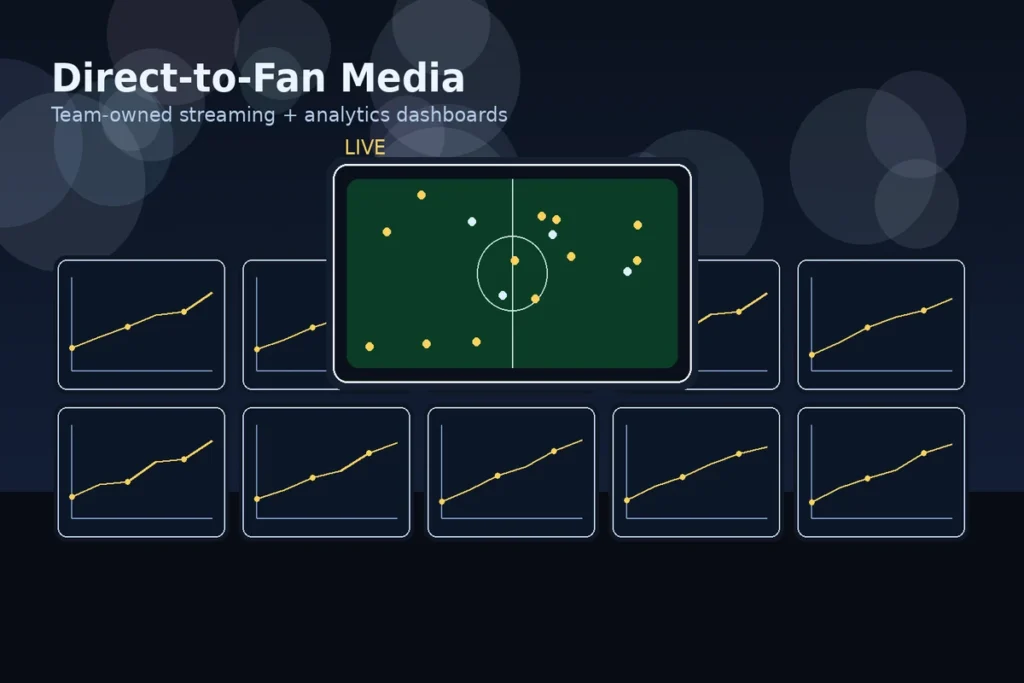
- Real-time data analytics dashboards
- Fan voting and interaction APIs
- Gamified scoring and engagement systems
- Subscription and payment gateway integrations
Developers who understand streaming APIs, performance optimization, and scalable backend architecture can build tools that power next-generation sports platforms.
Monetization Opportunities
Sports entrepreneurs can monetize this trend through:
- Launching micro-leagues targeting niche audiences
- Offering white-label streaming platforms
- Creating fan engagement SaaS tools
- Building analytics platforms for athlete performance and fan behavior
For developers, this presents opportunities to create modular products such as engagement widgets, sports data APIs, and streaming performance optimization tools.
Internal Linking Suggestions
- Guide to building sports streaming platforms
- How fan engagement technology increases sponsorship ROI
- Monetization strategies for digital sports startups
Authoritative External References
Conclusion
Digital-first soccer leagues represent a convergence of sports, media, and technology. Investors see scalable growth, sponsors see access to younger audiences, and developers see infrastructure opportunities. As sports consumption continues shifting online, businesses that adapt to digital engagement models will likely outperform traditional frameworks.